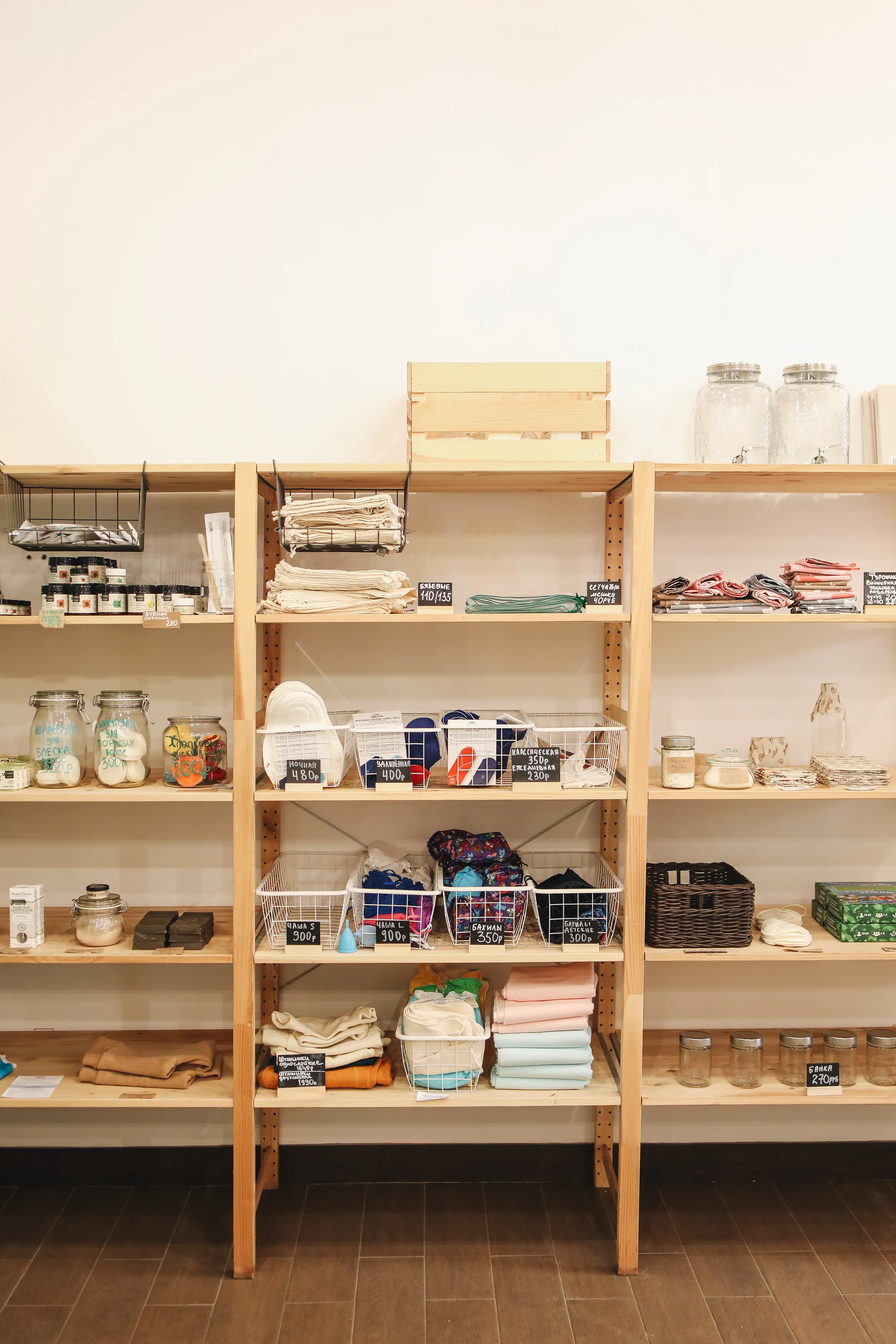
Illustrative photo.
Walk down Ottawa Street or Erie Street and you will see the same scene in shop after shop: a small retail business running on a cash register, a notebook, and someone's memory of what is in the back room. It works until it does not. The stockout that loses a regular customer, the over-order that ties up cash in product that will not sell, the year-end count that takes a full weekend. Inventory software exists to replace that guesswork, and for small Windsor retailers the options are better and more affordable than most owners expect.
Inventory software tracks what you have, where it is, and what is moving. At its core it records every sale, delivery, and adjustment so you always know your stock levels. Better systems add purchase orders, supplier management, low-stock alerts, barcode scanning, and reports that show which products earn their shelf space. Some connect directly to your point of sale and your online store, so stock counts stay accurate across every channel without manual updates.
What small retail actually needs
Small retailers do not need enterprise warehouse features. They need accuracy, speed, and simplicity. The must-haves: real-time stock levels that update with each sale, low-stock alerts before you run out, purchase order generation so reordering takes minutes, and product reports that show bestsellers and slow movers. Barcode scanning matters more than people think; manual entry is where most inventory errors start. If you sell online as well as in-store, the system must sync stock across both, because nothing frustrates a customer like ordering something the website said was available. Multi-location support matters if you have more than one shop or a storage room that functions as a second location.
Off-the-shelf options versus custom inventory software
Most small retailers start with off-the-shelf inventory tools, and for standard retail that is sensible. Monthly fees are modest, setup takes days, and the basics are covered. The fit breaks down with special requirements. Perishable goods with expiry dates, products sold by weight or length, consignment stock, serialized items like electronics, or unusual supplier arrangements are all things generic tools handle awkwardly or not at all. A custom inventory system is built around your actual products and processes: your units, your suppliers, your reorder logic, your reports. It also integrates cleanly with whatever point of sale and accounting software you already use. The trade-off, as always, is upfront investment versus monthly fees. Our pillar guide on inventory management software for Windsor small business walks through the build-versus-buy math in detail.
The hidden costs of staying on spreadsheets
Spreadsheets feel free, but they carry costs that show up elsewhere. Stockouts lose sales you never see, because the customer who finds an empty shelf usually does not complain; they go to a competitor. Overstocking ties up cash that a small business cannot afford to park on shelves. Manual counts eat staff hours and still produce errors. And without sales data by product, buying decisions come down to gut feel, which is how shops end up with a back room full of last season's slow movers. If you can estimate even roughly what stockouts and overstock cost you per year, compare that number to the cost of proper software. For many shops, the answer is uncomfortable.
Getting your team to actually use it
The best inventory system is the one staff use consistently. That means the interface has to be fast at the counter, because nobody will scan items into a system that takes thirty seconds per lookup during a rush. Receiving deliveries should be a simple workflow, not a data-entry project. Train one person thoroughly and make them the in-house expert rather than training everyone shallowly. And run the old and new systems in parallel for two weeks; the overlap catches setup mistakes before they corrupt your data. Businesses that skip the parallel run usually discover the problems during their busiest week.
What implementation really involves
Expect to spend time on data cleanup before anything else. Product names, SKUs, and supplier records accumulated over years are rarely consistent, and importing messy data into a clean system just moves the mess. Plan a full physical count as the starting baseline. Set reorder points based on actual sales history, not guesses. And connect the system to your point of sale from day one, because an inventory tool that does not see sales is just an expensive list. Also decide who owns the data going forward. Assign one person responsibility for keeping product records clean, because an inventory system is only as accurate as its least careful user. Review your reports monthly at first; the first few months of real data usually reveal surprises about what actually sells, which is exactly the insight you bought the software for.
How much does inventory software cost for a small retailer?
Off-the-shelf tools typically run from around $50 to a few hundred dollars CAD per month depending on features and locations. A custom inventory system is a larger upfront investment, usually in the low five figures, with modest ongoing maintenance. The honest comparison is total cost over three years against the cost of your current stockouts and manual work.
Can inventory software handle perishable goods?
Some can, but expiry-date tracking is one of the features where generic tools are weakest. If you sell food, cosmetics, or anything with a shelf life, verify this specifically during a trial, or consider a custom build where expiry logic is designed in from the start.
Will it work with my existing point of sale?
Often yes. Most modern point-of-sale systems offer integrations or an API. Confirm compatibility before committing, and test the sync with real transactions during the trial, not just in a demo.
How long does it take to get running?
An off-the-shelf tool can be live in one to two weeks including data import and training. A custom system takes longer, typically two to four months, because it is designed around your specific operation.
If your shop is still running on memory and spreadsheets, tell us about your products and your process. We will give you an honest read on whether an off-the-shelf tool or a custom system fits better. Get a free quote to start.