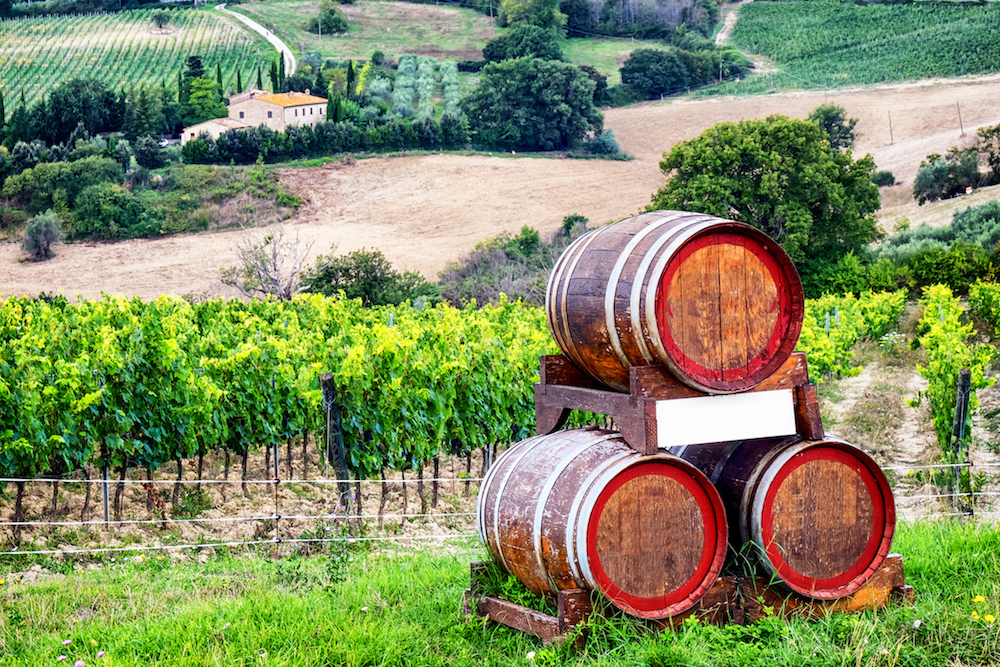
Illustrative photo.
Use this winery website content checklist Essex County Ontario wineries can apply page by page, whether you are building a new site or auditing the one you have. Great winery websites are not mysterious; they simply contain the right content in the right places. Work through this list and mark what is missing.
Content is where most winery website projects stall. Design can be finished in weeks, but writing the actual words takes real thought about your wines, your story, and your visitors. Starting with a checklist turns a vague task into a concrete one.
Go page by page. For each item, note whether it exists, needs updating, or needs creating from scratch. The gaps become your content to-do list.
Winery Website Content Checklist Essex County Ontario: Homepage
A clear headline stating what and where you are: a winery in Essex County's wine country, not a generic welcome message. Visitors should know within seconds that they have found a winery worth visiting.
Current hours and a prominent Visit or Plan Your Visit button. The homepage must serve planners immediately; do not make them hunt for the practical details.
A tasting or tour booking call to action above the fold. Booking is a primary goal, so it deserves homepage prominence, not burial three clicks deep.
Featured wines or current releases with images and short descriptions. Give browsers a taste of what you make; it is the most direct path from curiosity to visit.
Upcoming events teaser with dates. Even two or three upcoming events signal a living, active winery and give visitors reasons to plan around specific dates.
Email signup with a genuine incentive, such as first access to new releases. The homepage is your highest-traffic page; it should build your list.
Real photography of your vineyard and tasting room. The homepage sets the visual promise for the whole visit; stock photos break that promise immediately.
Winery Website Content Checklist Essex County Ontario: Visit Page
Complete current hours, including seasonal variations and holiday closures. Nothing frustrates visitors more than driving out to a closed tasting room because the website was wrong.
Full address with one-tap directions that open in the visitor's navigation app. Include parking information and any tricky final turns that GPS gets wrong.
What to expect: tasting fees, whether reservations are required, typical visit length, and whether you welcome walk-ins. Setting expectations prevents disappointment and bad reviews.
Group and bus tour policy with a dedicated inquiry path. Groups need different information than couples; address them directly rather than forcing them through the standard booking flow.
Accessibility information: stairs, parking, washroom access. Visitors with mobility needs plan around this information, and providing it is both kind and good business.
Nearby context that helps trip planning: your town, proximity to other wineries, and typical pairing with a day on the wine route. Help visitors build an itinerary around you.
Wines and Shop Page Content Checklist
Every wine needs its own description: tasting notes in plain language, vintage, varietal details, and food pairings. 'Red blend, $24' is not a description; it is an inventory entry.
Clear pricing on every wine. Hiding prices helps no one and suggests discomfort with your own value. Confident wineries price confidently.
Vintage and availability status kept current. Remove or clearly mark sold-out wines; nothing disappoints like falling for a wine that no longer exists.
High-quality bottle and label photography. Product photos do the selling online; invest in making every bottle look like it deserves its price.
For shops: shipping information, delivery areas, timelines, and costs stated plainly before checkout. Surprise shipping fees are the top reason wine carts get abandoned.
Age verification handled properly at the appropriate step. It should be smooth and professional, never a jarring interruption that makes legitimate buyers feel suspected.
Events, Wine Club, and Story Page Checklists
Events page: upcoming events with dates, times, prices, and booking links, plus an archive or removal of past events. Only list events you will keep current.
Wine club page: membership tiers with exact benefits, pricing, shipment frequency, and a join-now flow. Vague club descriptions do not convert; specifics do.
Story page: the family or founder history, the vineyard's story, your winemaking philosophy, and team introductions. This is your differentiation; write it like it matters.
Gallery: real photos of the property through the seasons, the tasting room, events, and the winemaking process. Update it at least seasonally.
Contact page: phone, email, form, address, hours summary, and a map. The contact page is a utility; make it ruthlessly complete and simple.
FAQ section addressing tasting fees, reservations, dogs, kids, food options, and large groups. Answering these on the site saves your staff hours of repetitive inquiries.
Related: content is half the battle; structure is the other half. Our winery website design guide for Essex County, Ontario shows how these pages fit together, and our website development services build sites around this content.
Keeping Winery Website Content Fresh
Update seasonal hours the moment they change, not weeks later. Wrong hours are the fastest way to turn a planned visit into a one-star review.
Post events as soon as they are confirmed. Early event listings capture planners; late listings only capture whoever happens to check that week.
Add new vintages and releases promptly with full descriptions and photography. Release days are traffic spikes; the content should be waiting when visitors arrive.
Refresh the gallery each season. A vineyard looks different in bud break, veraison, harvest, and winter; showing that cycle keeps the site feeling alive and gives visitors reasons to return in every season.
Review the entire site quarterly for stale content: old news posts, outdated staff mentions, last year's festival. A fifteen-minute seasonal review prevents slow decay.
For the design framework that holds all this content, see our winery website design guide for Essex County, Ontario.
Frequently Asked Questions
How much content does a winery website need at launch?
Enough to answer every common visitor question: who you are, what you make, when you are open, how to visit, and how to buy. That is typically eight to twelve pages done well. You can expand with a blog and deeper content after launch.
Who should write the website copy?
Someone who knows the winery intimately, working with a writer or designer who knows the web. The worst winery copy is written by people who have never tasted the wine; the second worst is knowledgeable but unstructured. Pair insider knowledge with professional shaping.
How important is photography compared to written content?
Both matter, but photography carries more weight for wineries than for most businesses because you are selling a place and an experience. Budget for real photography before spending on design extras; no layout compensates for bad or stock imagery.
Should we include a blog on the winery site?
If you will actually publish on it, yes. Harvest diaries, release notes, and event recaps give visitors reasons to return and give search engines fresh content. If it will sit empty after three posts, skip it until you can commit.
A complete site starts with a complete checklist. If you want help turning your content into a site that sells, Get a free quote and we will plan it with you.